




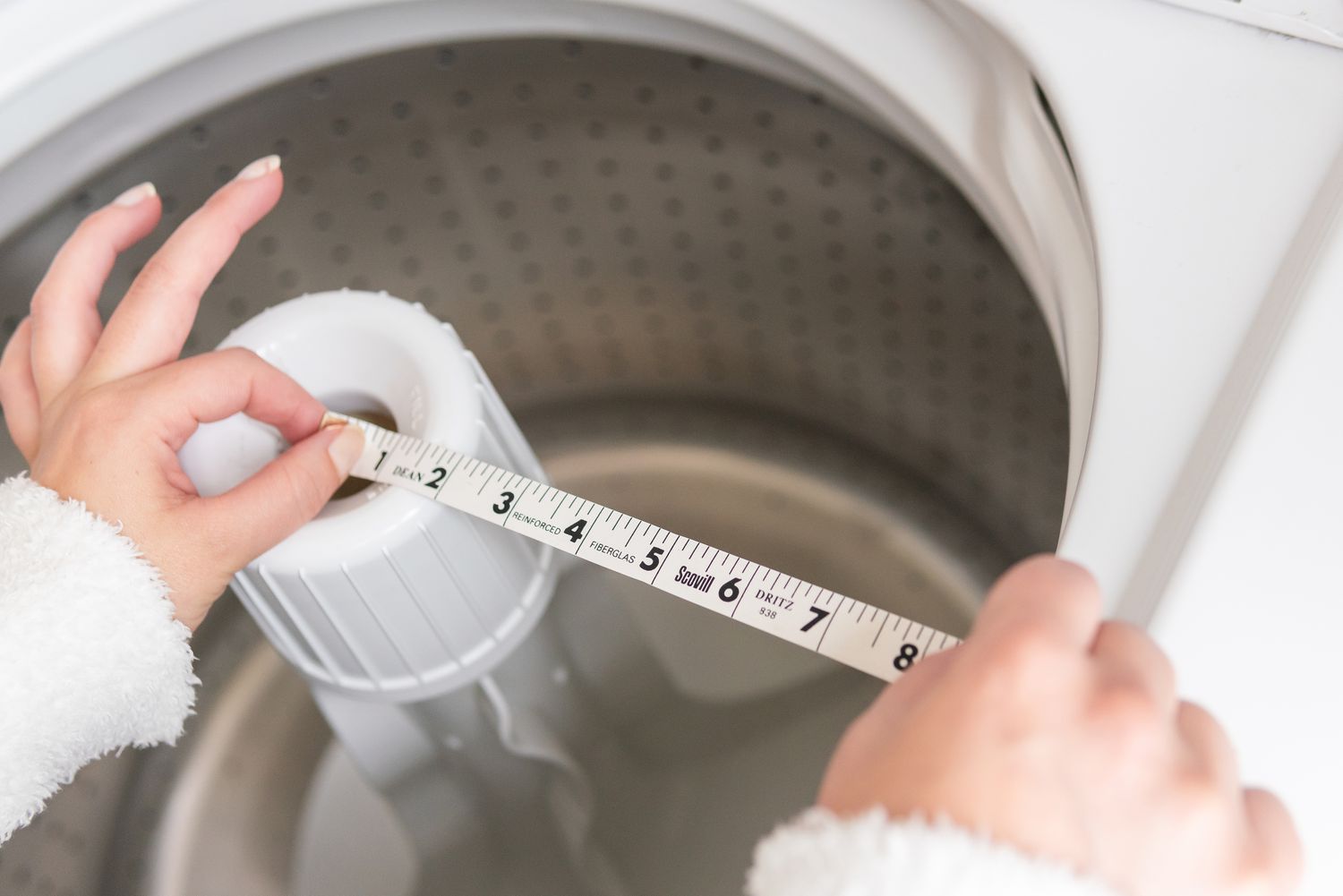
A washing machine makes laundry easier, but it also consumes a noticeable amount of water during every cycle. The exact amount depends on the machine’s design, capacity, wash program, age, and efficiency. Modern washing machines are generally designed to clean clothes effectively while using considerably less water than older models.
Understanding water consumption can help households reduce utility costs, avoid unnecessary waste, and choose a more efficient appliance when it is time for an upgrade.
How Much Water Does a Washing Machine Use?
A typical modern washing machine may use roughly 50 to 100 litres of water per load, although actual consumption can vary significantly between models and programs. Highly efficient machines can use less, while older or traditional top-loading machines may consume considerably more.
For example, modern efficient washers can use around 50 litres per cycle, while a conventional machine may use closer to 75 litres or more. Larger loads, intensive programs, extra-rinse settings, and heavily soiled laundry can increase the amount of water required.
The important point is that water usage is not determined by drum size alone. Two machines with similar capacities can have very different water-consumption figures because of differences in washing technology.
Front-Load vs. Top-Load Washing Machines
The design of a washing machine has a major influence on water consumption. Front-load machines generally use less water because clothes are repeatedly lifted and tumbled through a relatively small amount of water. They do not need to completely fill the drum to clean the laundry.
Traditional top-load machines with central agitators typically use more water because the clothes are immersed in a larger volume of water. However, modern high-efficiency top-load machines can use substantially less water than older designs.
Front-load models are therefore often a strong choice for households that want to reduce both water and energy consumption.
Why Modern Washing Machines Use Less Water
Modern washers use several technologies to reduce water consumption without sacrificing cleaning performance. Sensors can estimate the size of the load and adjust the amount of water accordingly. Some machines also detect the level of dirt or adjust washing movements according to the selected program.
Improved drum designs are another factor. Instead of relying on large amounts of water to move clothes around, modern machines use tumbling, controlled water flow, and specialized wash movements to distribute detergent and water more efficiently.
High-speed spin cycles can also remove more moisture from clothes before they are transferred to a dryer or hung to dry.
Does a Larger Washing Machine Always Use More Water?
Not necessarily. A larger-capacity machine may use more water during a particular cycle, but it can also allow households to wash more clothes at once.
For example, washing two large loads in a smaller machine may consume more total water than washing the same clothing in one appropriately sized larger machine. For this reason, capacity should be considered together with water-efficiency ratings rather than viewed separately.
Choosing a machine that matches your household’s normal laundry volume can help prevent unnecessary cycles.
Which Washing Cycles Use the Most Water?
Not every washing program consumes the same amount of water. A quick or eco-style cycle may use relatively little, while programs designed for heavily soiled clothing can require more water.
Extra-rinse programs are another common source of increased consumption. Although an additional rinse can be useful when dealing with certain detergents, sensitive skin, or heavily soiled laundry, using it for every load may significantly increase overall water usage.
Hot, intensive, bedding, and heavily soiled cycles may also use different quantities of water depending on the machine.
How Much Water Does a Washing Machine Use in a Month?
Monthly consumption depends primarily on how frequently the machine is used. A household running five loads per week could complete around 20 to 22 loads per month.
If a machine uses approximately 60 litres per load, that would equal roughly 1,200 to 1,320 litres per month. A less efficient machine using 90 litres per load could consume around 1,800 to 1,980 litres over the same number of cycles.
These figures are estimates rather than universal measurements because individual machines and programs vary.
How to Reduce Washing Machine Water Consumption
One of the simplest ways to reduce water use is to run full loads whenever practical. Washing several small loads when they could have been combined wastes water and energy.
Choosing an appropriate wash cycle also makes a difference. Avoid using intensive or extra-rinse settings unless they are genuinely needed. Lightly soiled everyday clothing can often be cleaned using a standard or eco-friendly program.
Regular maintenance is important as well. A machine that drains poorly, has clogged filters, or develops mechanical problems may not operate as efficiently as intended.
Choosing a Water-Efficient Washing Machine
When buying a new washer, look beyond the purchase price. Check the manufacturer’s water-consumption information and compare models with similar capacities. Energy-efficiency information can also be useful because heating water is one of the major energy demands associated with laundry.
For shoppers comparing Vision Washing Machine Price, it is worth considering the machine’s capacity, washing programs, expected water consumption, spin performance, and long-term operating costs rather than focusing exclusively on the initial purchase price.
A machine that costs slightly more but uses significantly less water and energy may provide better overall value over several years.
Why Water Efficiency Matters
Reducing washing machine water consumption can have benefits beyond a lower household utility bill. Using less water reduces pressure on local water supplies and can also reduce the energy required to pump, treat, and heat water.
For households that do laundry frequently, even a modest reduction in water used per cycle can add up to thousands of litres over the course of a year.
Final Thoughts
A washing machine can use anywhere from around 50 litres to well over 100 litres of water per load, depending on its technology, age, size, and selected cycle. Modern high-efficiency machines generally require much less water than traditional models.
The best approach is to choose a washer suited to your household, run reasonably full loads, select efficient programs when appropriate, and avoid unnecessary rinse cycles. By paying attention to water consumption when buying and using a washing machine, households can enjoy clean clothes while making their laundry routine more economical and environmentally responsible.