



Discovering mold in your home can be stressful, especially when it appears in places you rarely inspect, such as basements, bathrooms, crawl spaces, or behind furniture. Mold growth often indicates an underlying moisture problem that needs attention before the affected area becomes more extensive. Taking the right steps early can help protect your property, reduce potential health concerns, and prevent recurring damage.
For homeowners in Bowie, Maryland, understanding what to do after discovering mold is particularly important because seasonal humidity, plumbing leaks, roof damage, and poor ventilation can contribute to indoor moisture problems. Here are seven practical steps to take when you find mold in your home.
1. Identify the Areas Where Mold Is Growing
The first step is to identify where mold is visible and determine how widespread the problem might be. Mold commonly appears as black, green, gray, or white patches on walls, ceilings, floors, wooden surfaces, and other materials.
Pay attention to areas that have experienced water damage or consistently remain damp. Bathrooms, laundry rooms, basements, kitchens, and spaces beneath sinks deserve particular attention.
However, visible mold does not always reveal the full extent of the problem. Growth may also develop behind drywall, underneath carpets, inside cabinets, or around leaking pipes. Avoid pulling apart building materials simply to investigate, as disturbing mold can release spores into the air.
2. Address the Source of Moisture Immediately
Mold needs moisture to grow, so controlling the water source is one of the most important parts of addressing an infestation. Cleaning visible mold without correcting the underlying moisture problem may allow it to return.
Inspect the surrounding area for possible causes, including:
-
Leaking plumbing connections or damaged pipes.
-
Roof leaks and damaged flashing.
-
Water entering through basement walls.
-
Condensation around windows and air-conditioning systems.
-
Poor ventilation in bathrooms and kitchens.
-
Previous flooding or unnoticed water damage.
If you discover an active plumbing leak, arrange for repairs as soon as possible. For flooding or significant water damage, professional water extraction and drying may be necessary.
Keeping affected materials dry is essential because lingering moisture creates favorable conditions for additional mold growth.
3. Avoid Disturbing or Spreading the Mold
Once you discover mold, resist the temptation to scrub, scrape, or vacuum the affected area immediately. Improper cleaning methods can disturb mold growth and spread spores into nearby rooms.
Avoid using ordinary household vacuums on mold-contaminated materials. Do not brush dry mold from walls or carpets, and avoid using fans that blow directly across affected surfaces.
It is also important to keep children, pets, and individuals with mold sensitivities away from the affected area.
If the contaminated space is large or mold is growing inside porous building materials, professional assessment is a safer approach. Experienced specialists can determine how to contain the affected area and reduce the possibility of spreading contamination during cleanup.
4. Document the Damage and Assess Its Extent
Before arranging repairs or removing damaged materials, document the visible mold and any related water damage. Take photographs of affected walls, ceilings, flooring, furniture, and other household items.
Make notes about when you first noticed the problem, whether there was a recent leak, and whether the affected area has become larger.
This documentation can be helpful when communicating with restoration professionals, landlords, or insurance providers.
You should also look for signs that the problem extends beyond the visible surface. Peeling paint, bubbling drywall, warped wood, musty odors, and persistent dampness may indicate hidden moisture or mold growth.
If the source or extent of contamination is unclear, a qualified professional can help evaluate the situation and recommend appropriate next steps.
5. Arrange Professional Mold Inspection When Necessary
Not every mold situation requires extensive professional testing, but an inspection can be valuable when the contamination is widespread, recurring, hidden, or associated with significant water damage.
A professional assessment can help identify affected materials, investigate moisture conditions, and determine whether additional inspection or sampling is appropriate.
For homeowners dealing with persistent indoor mold problems, working with a qualified specialist offering mold remediation bowie md services can help establish a suitable cleanup plan. A professional can assess the affected areas, recommend containment measures, and explain which materials may need cleaning, treatment, or removal.
It is especially important to seek professional assistance when mold covers a substantial area, appears inside heating and cooling systems, or involves contaminated porous materials.
6. Begin Proper Mold Cleanup and Remediation
After identifying the problem and addressing its moisture source, the next step is appropriate cleanup. The method depends on the size of the affected area, the materials involved, and the location of the mold.
Small areas of mold on suitable nonporous surfaces may sometimes be cleaned using appropriate household cleaning methods. However, heavily contaminated drywall, insulation, ceiling tiles, and carpeting may need to be removed because mold can penetrate porous materials.
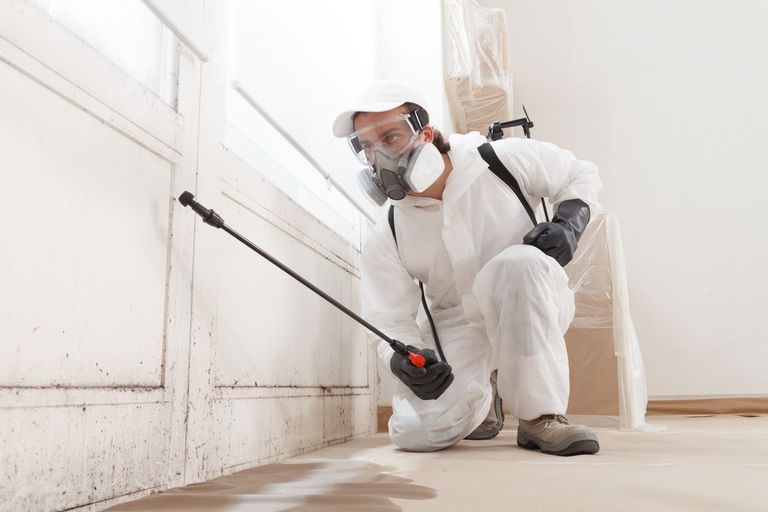
Professional remediation generally involves several important activities:
Containment: Specialists isolate the affected area to reduce the movement of mold spores into unaffected parts of the property.
Removal: Materials that cannot be adequately cleaned may be carefully removed and disposed of according to appropriate procedures.
Cleaning: Remaining surfaces and salvageable materials are cleaned using suitable methods and equipment.
Drying: Moisture levels are reduced to help prevent additional mold growth.
Final assessment: The affected area is evaluated to determine whether the cleanup has addressed the identified problem.
Proper remediation focuses on removing contamination and correcting the conditions that allowed mold to develop in the first place.
7. Take Preventive Measures to Stop Mold From Returning
Completing mold cleanup does not mean the problem can never happen again. Long-term prevention requires consistent moisture control, regular inspections, and proper ventilation.
Bowie homeowners can reduce the risk of recurring mold by following a few practical maintenance habits.
-
Keep indoor humidity below 60%, ideally between 30% and 50%.
-
Use bathroom exhaust fans during and after showers.
-
Run kitchen ventilation when cooking.
-
Repair leaking pipes, roofs, and windows promptly.
-
Clean and maintain air-conditioning systems regularly.
-
Check basements and crawl spaces for signs of moisture.
-
Dry wet carpets, furniture, and building materials quickly.
-
Make sure gutters and downspouts direct water away from the foundation.
It is also helpful to inspect areas that previously experienced mold growth. Regularly checking these locations can help you recognize moisture problems before they develop into another significant infestation.
Why Prompt Mold Remediation Matters
Ignoring mold can allow contamination and moisture-related damage to become more extensive. Continued exposure to damp and moldy environments may also contribute to respiratory symptoms, allergic reactions, coughing, and irritation, particularly among people with asthma or mold allergies.
Prompt action can help protect indoor air quality, reduce property damage, and limit the cost and disruption associated with more extensive restoration work.
Homeowners should remember that painting over mold or applying surface treatments without addressing the underlying problem is not a reliable solution. Effective cleanup requires dealing with both the visible contamination and its moisture source.
Final Thoughts
Finding mold in your Bowie home does not mean the property is beyond repair, but it does mean that timely action is important. Identifying the affected areas, correcting moisture problems, avoiding unnecessary disturbance, documenting damage, and arranging professional assistance when needed can make the cleanup process more manageable.
The most effective approach is to treat mold as both a contamination issue and a moisture-control problem. By following these seven steps and maintaining a dry, well-ventilated home, you can reduce the likelihood of recurring growth and help maintain a cleaner, healthier indoor environment.